


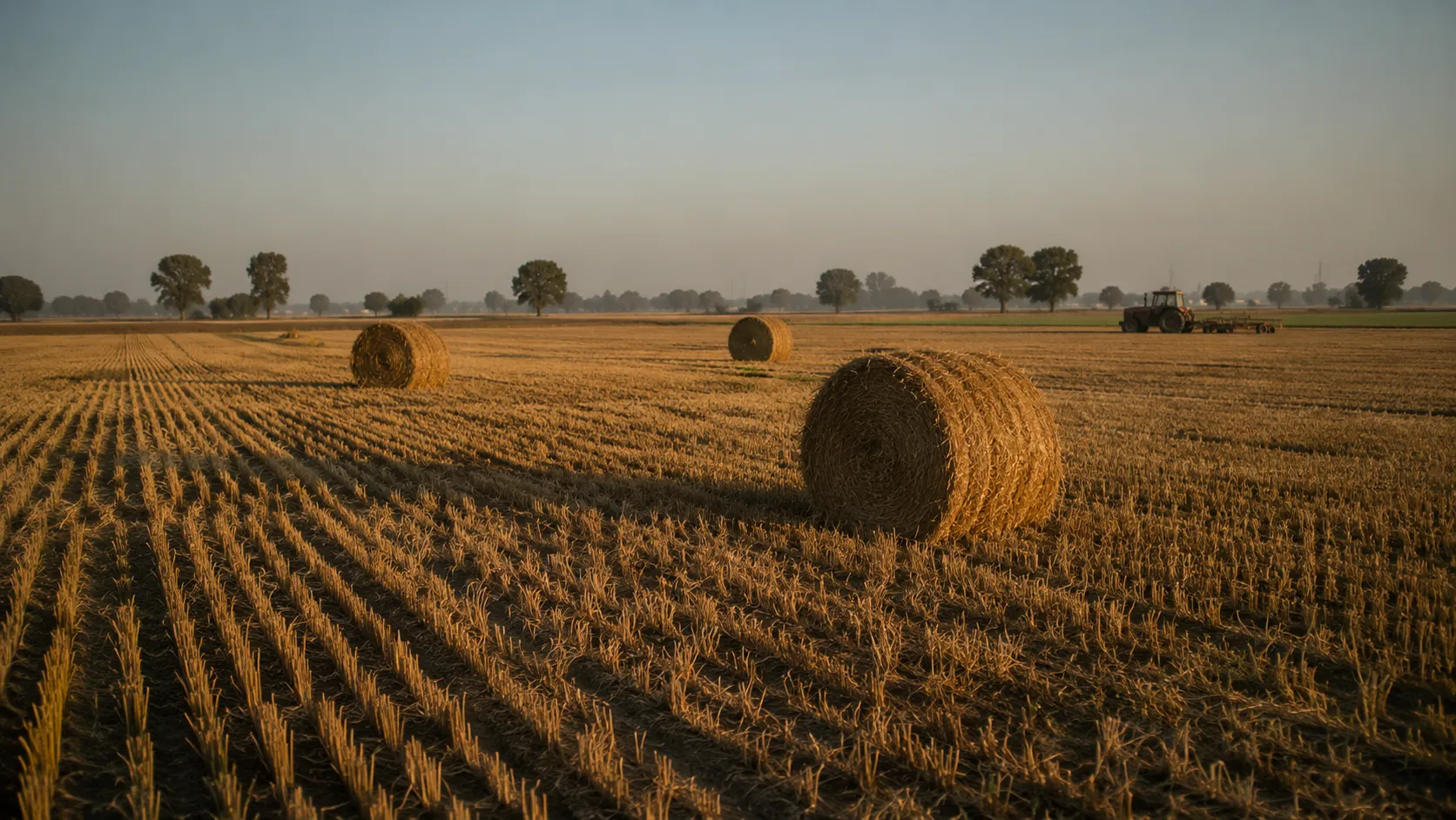

We utilise biomass
to minimise industrial carbon.
Sustainability lies at the core of K2 Biofuels' operations. We utilise biomass to minimise industrial carbon emissions and support global climate goals — by converting agricultural and organic waste into high-efficiency fuels for industrial applications.
The result is fuel that helps industries transition away from fossil sources while maintaining operational efficiency and regulatory compliance.
The full impact ledger.
Reduced GHG emissions
Biomass combustion is broadly carbon-neutral over its lifecycle when sourced from agricultural residue. We measure and report displacement.
Lower carbon footprint
Industries co-firing our pellets reduce Scope 1 emissions and de-risk against carbon-pricing exposure.
Agricultural waste utilisation
Crop residue that would otherwise be burnt in the open becomes a saleable commodity for farmers and a fuel for industry.
Renewable energy generation
Pellets and briquettes power thermal plants, sugar mills, paper plants and cogen units — displacing coal at point of use. Our 3.5 MW on-site solar plant generates ~52 lakh kWh per year, powering production itself on renewable electricity.
Verifiable
at every step.
Our coal-displacement activity at NCR thermal plants is registered for carbon-credit accounting under recognised methodologies. Buyers can co-claim Scope 3 reductions where contracts permit.
We publish our certification status openly — including items in progress — so procurement teams can plan their own ESG audits with full visibility.
“Biomass is not a transition fuel. For India's thermal industry, with the right logistics and the right pellet quality, it is the destination fuel.”
— K2 Biofuels · Sustainability principles · 2026