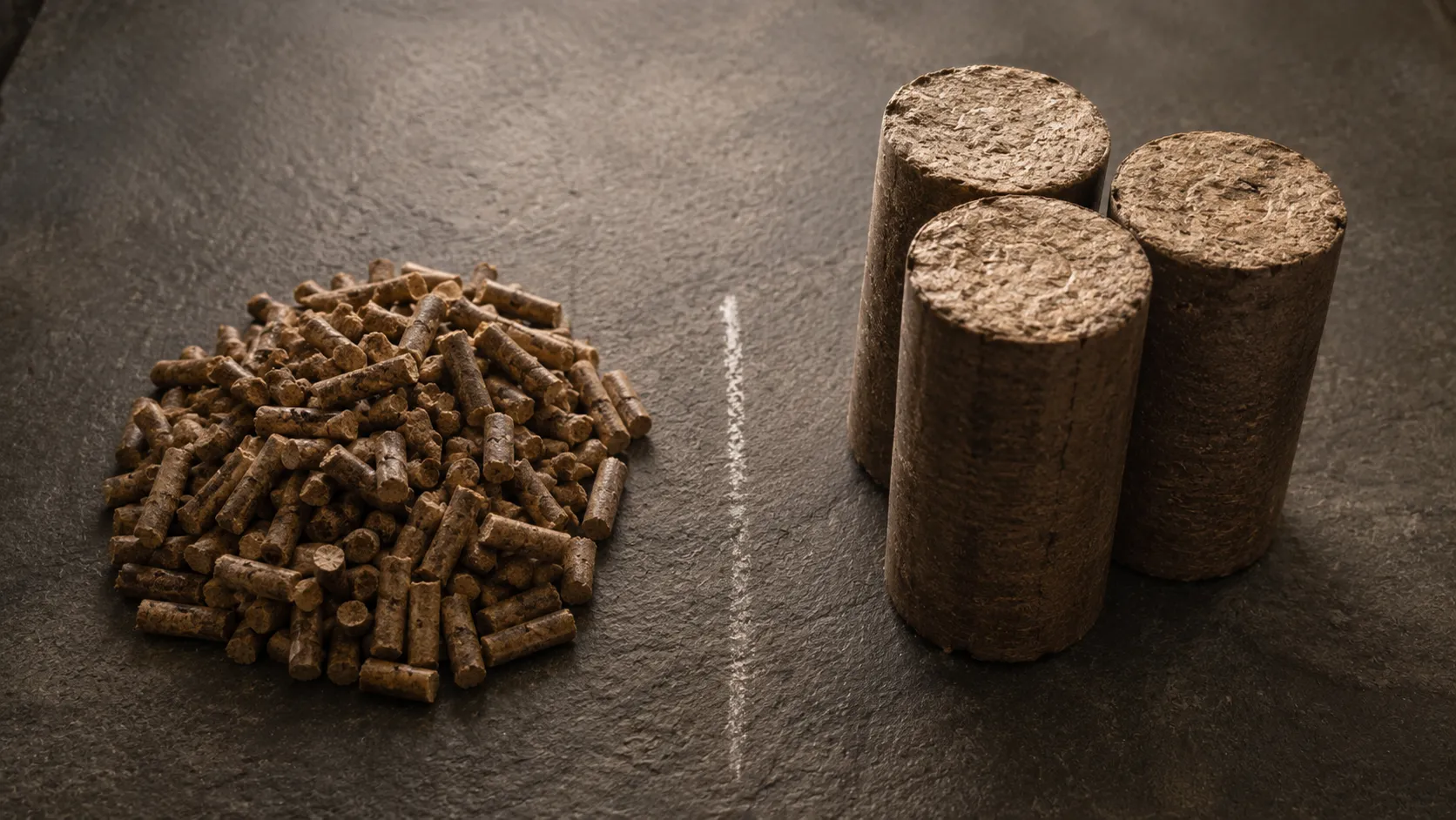

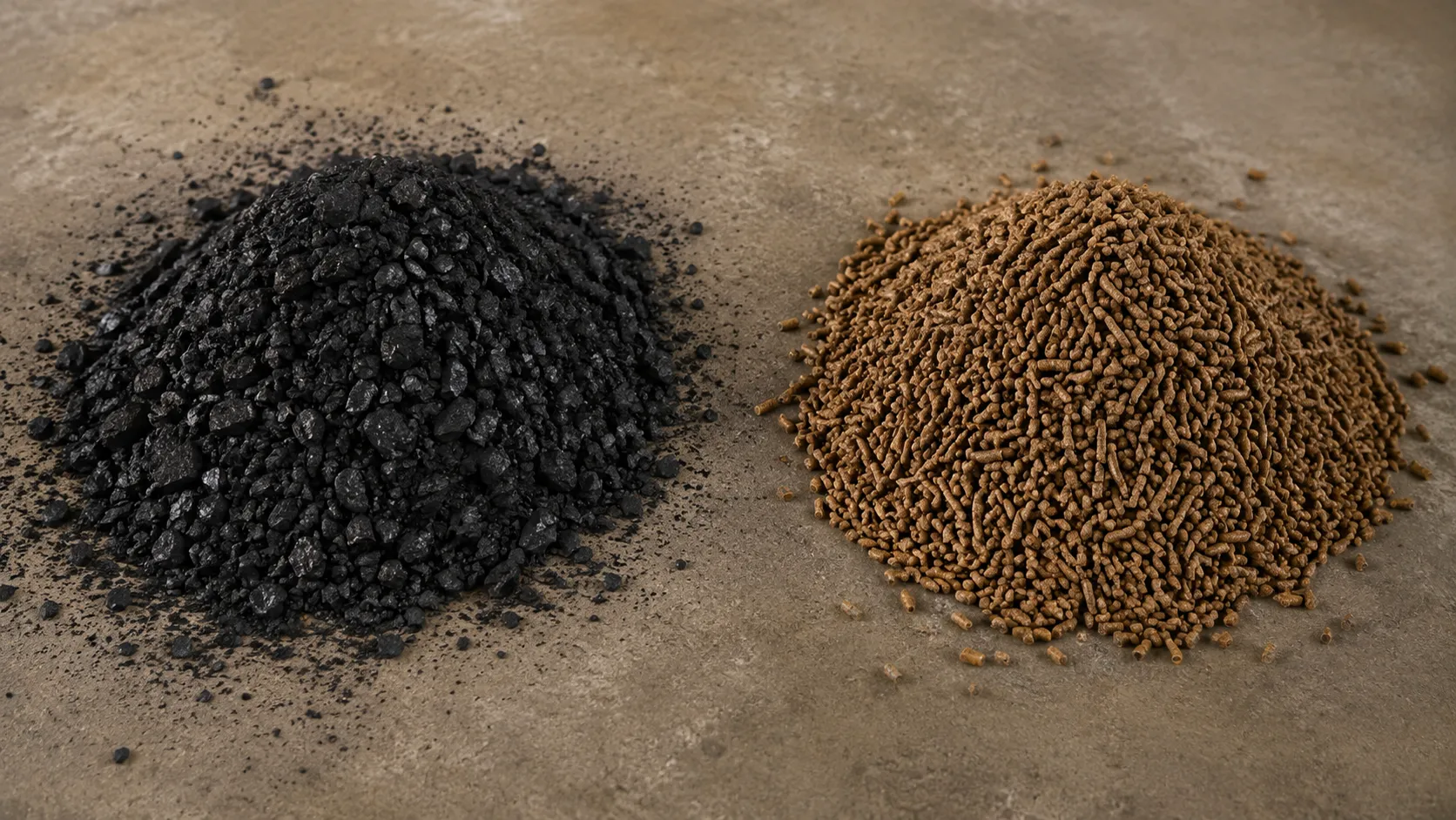
When we talk about GCV, we are talking about the amount of heat released per kilogram of fuel burned under controlled conditions in a bomb calorimeter. Our mustard-blend pellets deliver approximately 3,800–3,900 kcal/kg. For context, imported thermal coal for power generation typically runs 4,200–5,000 kcal/kg, and domestic coal used in smaller industrial boilers is often in the 3,500–4,200 range. The gap in raw GCV is real, but it is not the whole story.
What AFBC boilers actually care about
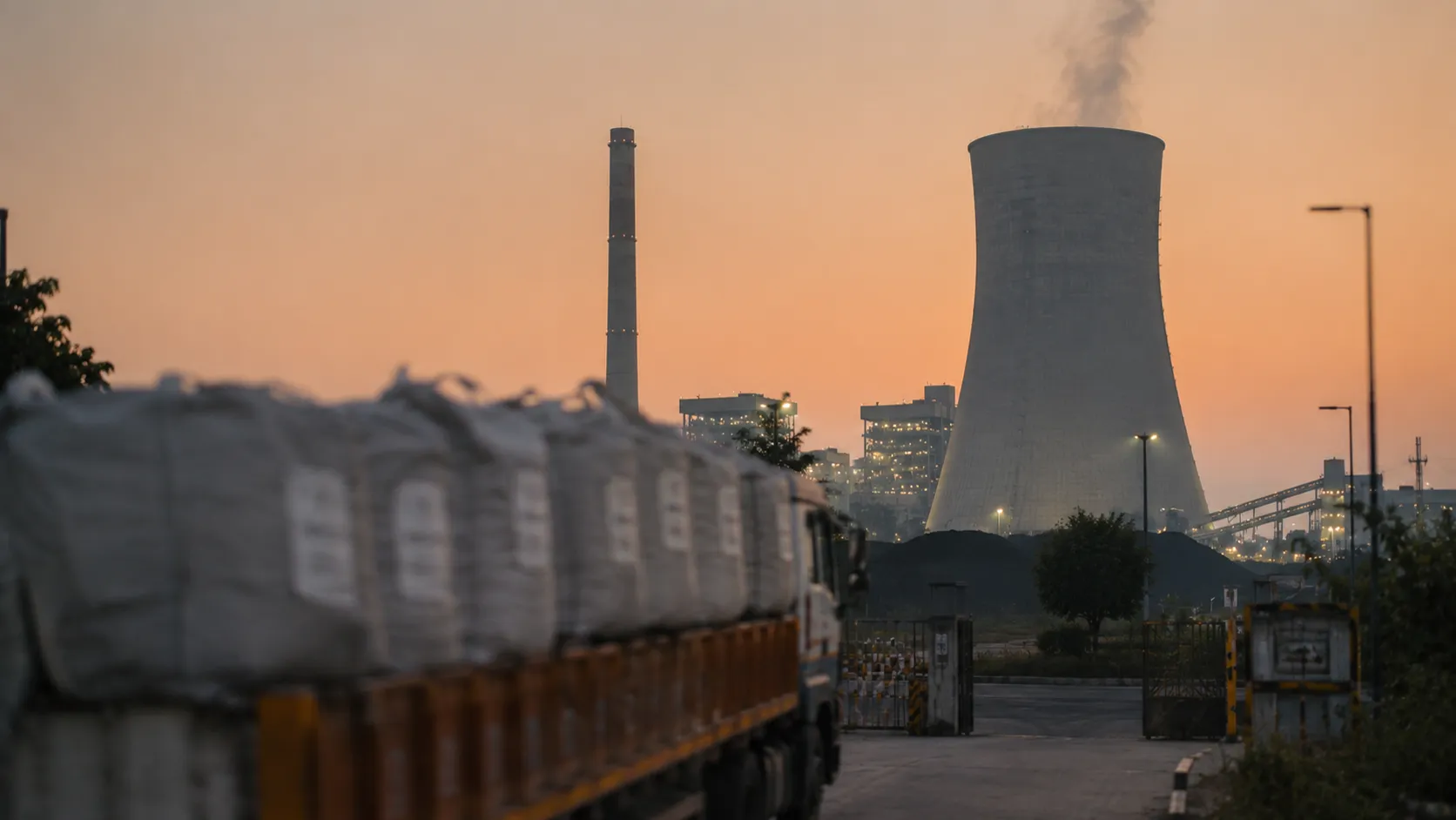
Atmospheric Fluidised Bed Combustion boilers are different from older stoker-fed or pulverised coal boilers. In an AFBC, the fuel is combusted in a bed of inert material — typically sand or ash — kept in suspension by an upward airflow. The combustion temperature is deliberately kept below 900°C, which suppresses thermal NOx formation. This design also makes AFBC boilers significantly more tolerant of fuel variability in terms of moisture and particle size than their predecessors.
For biomass, the AFBC's lower temperature window is an advantage. Biomass has a lower ash fusion temperature than coal — at high temperatures, biomass ash can slag and foul the bed. AFBC's lower operating temperature keeps ash in a friable, non-agglomerating state. This is one of the reasons AFBC was identified early as the preferred boiler type for biomass co-firing in the CAQM framework.
The sulphur argument
Mustard husk contains approximately 0.1–0.3% sulphur by dry weight. Indian thermal coal ranges from 0.3% to upward of 0.5%, with some grades running higher. The SOx reduction from co-firing at 10% biomass blend is proportional — roughly 10% reduction in sulphur dioxide emissions at stack, all else equal. For plants near or at their environmental consent limits for SOx, this margin matters operationally and not just for reporting.
“Every percentage point of biomass co-firing is a percentage point of sulphur load reduction. At scale, that becomes a meaningful buffer against stack compliance risk.”
— Vikram Anand, Head of Product & Quality
Ash handling in practice
Mustard husk ash is high in potassium and silica, with a typical ash content of 4–6% depending on the feedstock quality. This is lower than most Indian thermal coals, which run 25–40% ash. For an industrial boiler operator, lower ash means less ash handling per tonne of fuel, lower wear on conveyors and handling systems, and a smaller ash disposal or off-take logistics problem. The potassium-rich biomass ash has known applications as a soil amendment, giving it a secondary value that coal ash typically does not carry.
Practical considerations for blend ratio
The optimal blend ratio for your specific boiler depends on: bed temperature targets, the chlorine content of the biomass (mustard husk is low-chlorine compared to rice husk, which reduces corrosion risk), moisture in the incoming fuel, and your existing ash removal system capacity. We typically recommend starting at 5% biomass blend and running three dispatch cycles of data before committing to 10%. The lab report on each load gives you the GCV and moisture you need to model the blend precisely.
- Pellet GCV: 3,800–3,900 kcal/kg (mustard blend)
- Ash content: 4–6% (vs. 25–40% for typical Indian coal)
- Sulphur: 0.1–0.3% (significantly below coal)
- Chlorine: low — reduces fireside corrosion risk versus rice husk blends
- Moisture: ≤14% on dispatch
Send us your boiler model and current fuel specifications and we will model the blend economics for your specific plant. The heat-rate calculation tells you whether the lower GCV is offset by lower fuel cost, lower ash handling cost, and any compliance headroom value you assign to sulphur reduction. In most cases the economics close before you factor in compliance benefits.