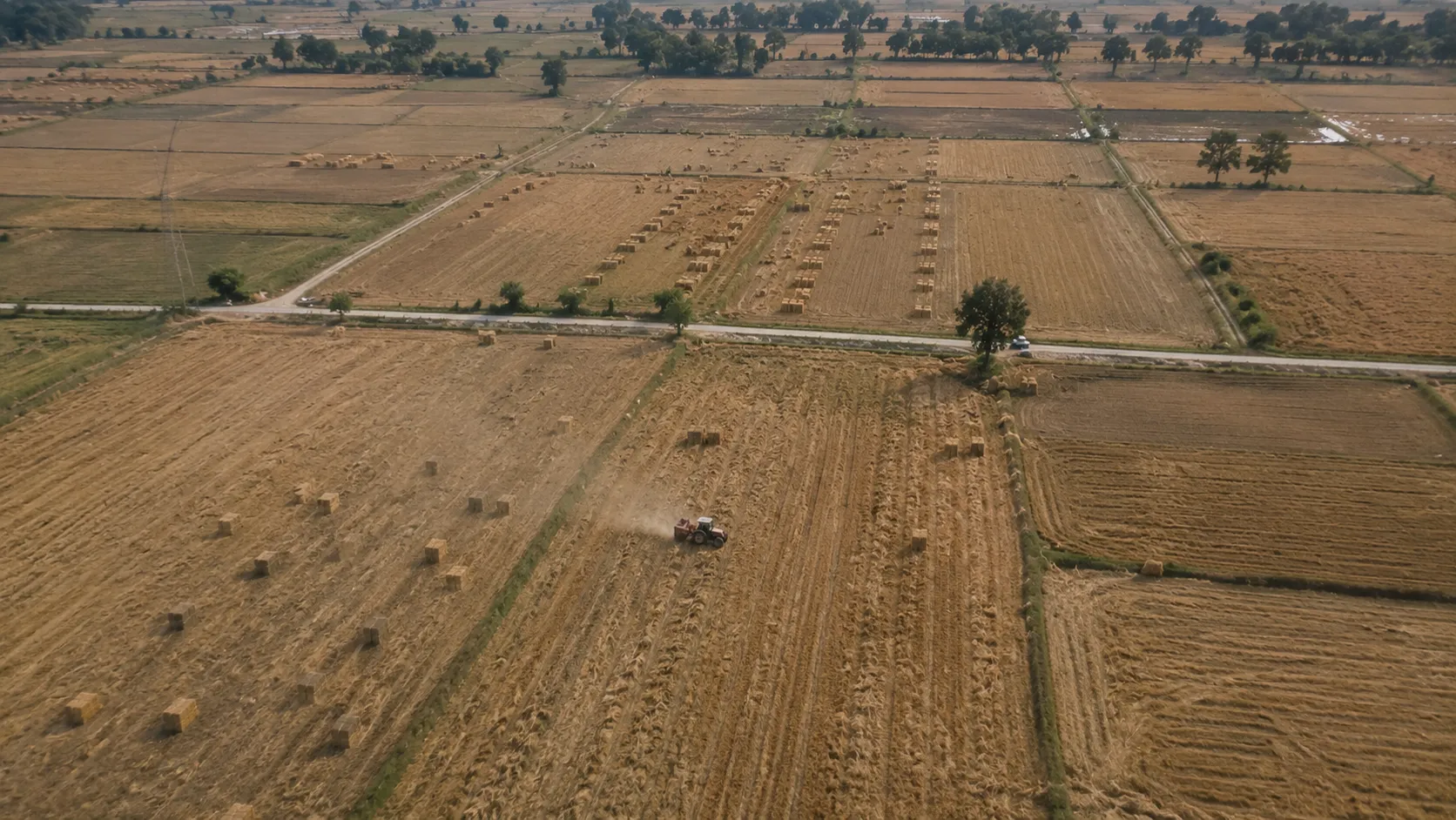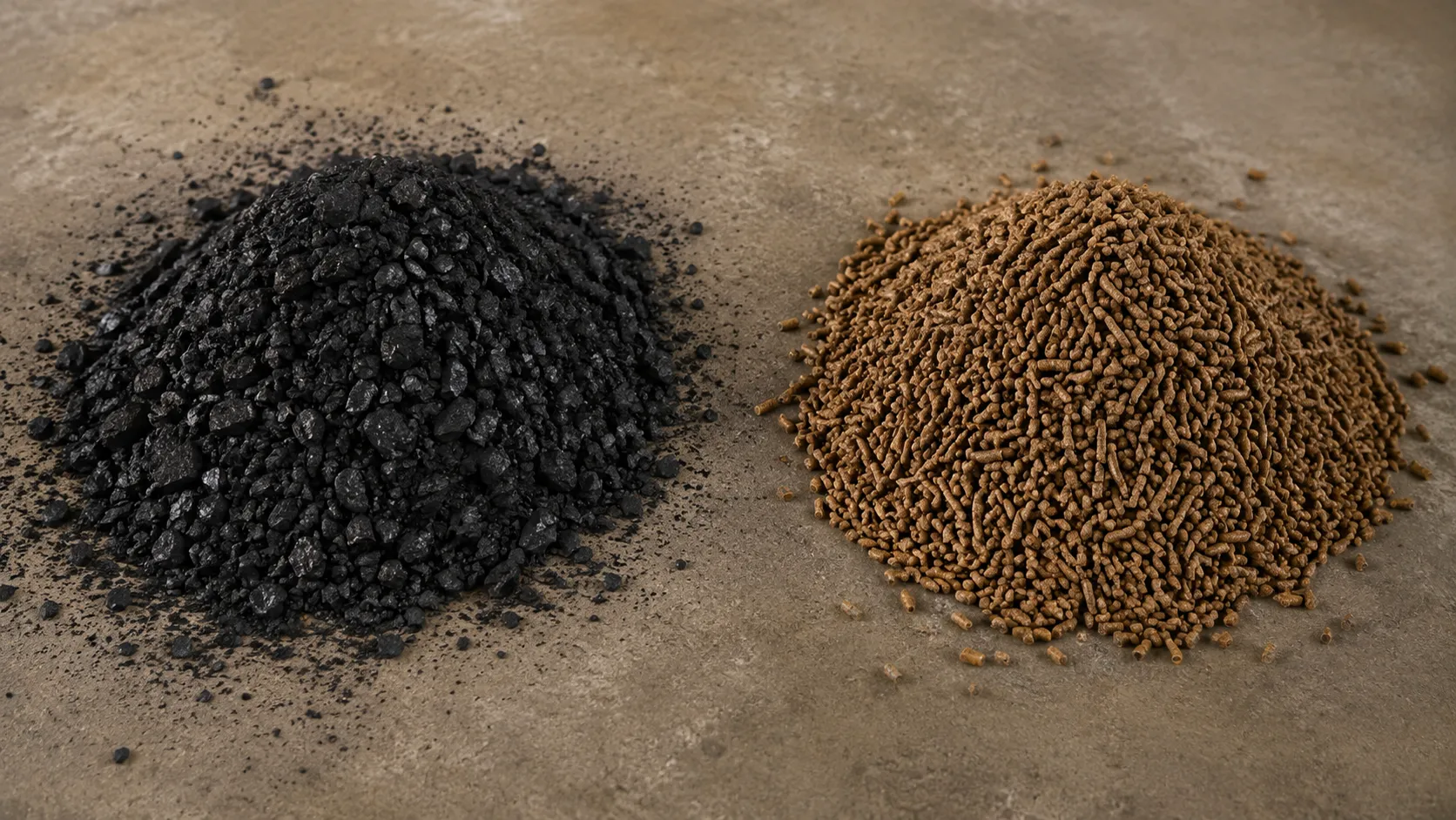

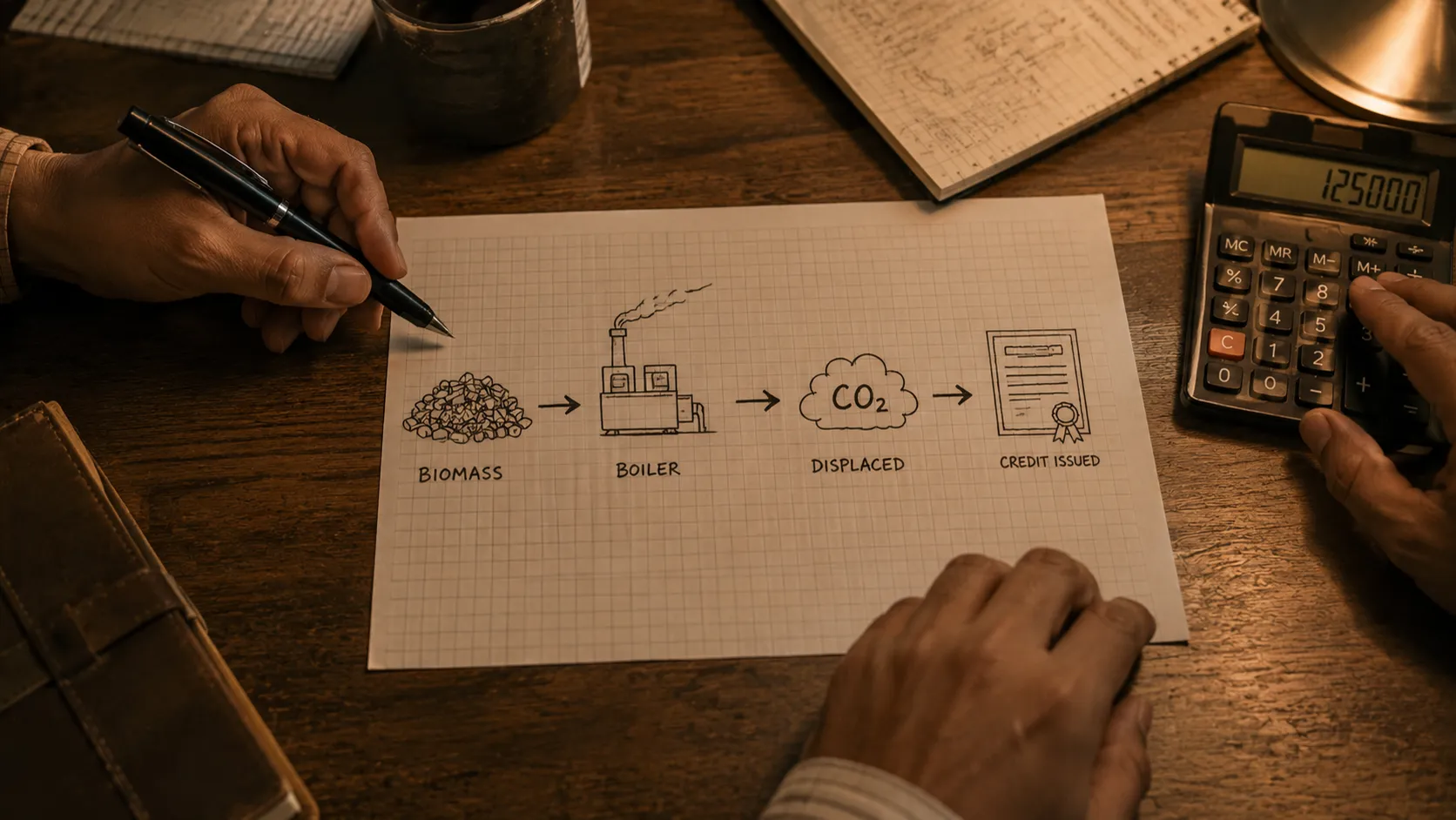
There are two things happening when a thermal plant burns K2 Biofuels pellets instead of coal. First, the coal that would have been burned is not burned — its embodied carbon stays unburned. Second, the paddy straw that would have been burned in a field is instead burned in a controlled industrial combustion environment at higher efficiency, with the emissions counted and inventoried rather than uncontrolled. Both displacement effects contribute to the carbon credit calculation.
VCS versus Gold Standard
Verra's Verified Carbon Standard (VCS) is the largest voluntary carbon market standard globally by volume. It provides methodologies for biomass energy projects and is the standard most commonly used in India for industrial biomass applications. Gold Standard, originally developed with WWF involvement, places a higher emphasis on sustainable development co-benefits and requires evidence of community or environmental impact alongside the carbon accounting. For K2 Biofuels supply chain projects, both standards are applicable; the choice between them depends primarily on the buyer's preference and target market.
The displacement calculation
The core of the carbon credit calculation is an emission factor comparison. Coal combustion emits approximately 2.3–2.5 tonnes of CO₂ per tonne of coal burned (depending on coal grade). Biomass is considered carbon-neutral on a lifecycle basis under both VCS and Gold Standard methodologies — the carbon released during combustion was fixed from the atmosphere during the growing season of the crop that produced the straw. The net credit per tonne of biomass fuel displacing coal is calculated from the coal emission factor multiplied by the energy equivalence ratio.
The avoided burning component adds a second term. Paddy straw burned in an open field emits methane (CH₄) and nitrous oxide (N₂O) in addition to CO₂ — both of which carry higher global warming potential than CO₂ alone. When that straw is pelletised and burned in an industrial boiler instead, the methane and N₂O emissions are largely avoided (replaced by the more complete combustion products CO₂ and water). This avoided emission is a credit-generating activity under both VCS and Gold Standard, using IPCC emission factors for crop residue burning.
“The math behind carbon credits from biomass is not complicated once you have the emission factors. What is complicated is the documentation — and that is where we can help.”
— Priya Mehta, Head of Policy & Compliance
What the numbers look like
A rough order-of-magnitude calculation: substituting 1,000 tonnes of biomass pellets for an energy-equivalent amount of coal avoids approximately 800–1,000 tonnes of CO₂-equivalent emissions from coal combustion, plus 200–350 tonnes of CO₂-equivalent from avoided paddy straw field burning. At voluntary carbon market rates in the range of $10–25 per tonne, a 1,000 tonne/month biomass supply could support generation of credits worth $12,000–35,000 per month before certification and verification costs. These are illustrative numbers — your actual credit yield depends on your specific boiler efficiency, the coal grade being displaced, and the verification methodology.
What customers need to file a co-claim
- Feedstock origin documentation — which farms or districts the biomass came from
- Quantity and GCV of each dispatch lot, with lab reports
- Evidence of combustion (boiler operating records for the relevant period)
- Baseline documentation — coal consumption history and coal specifications for the pre-biomass period
- Third-party verification — both VCS and Gold Standard require an accredited verifier to sign off on the calculation
We provide the feedstock documentation and dispatch records in a format structured for VCS and Gold Standard applications. We do not provide third-party verification — that must come from an independent accredited body. For customers who are new to carbon credit applications, we recommend engaging a project developer or carbon credit aggregator who can structure the project registration and manage the verification cycle. We can facilitate introductions.